The art
Close-up, stage magic and escapes
The kinds of magic a night like this can hold, from table-side sleight of hand to grand illusions and escapes, explained with sources and no spoilers.
Choose your night in Salou ↗Quick answer
A magic night can mix close-up magic, sleight of hand, stage illusions and escapology. Close-up magic happens within a few metres of you, often at a table. Stage illusions use big props for a theatre audience. Escapology is the branch of magic built on escapes from restraints. The Salou show lists all of these, and none of them needs any knowledge from you.
Why the kinds matter
Magic is a family of arts, not one trick. Wikipedia describes it as a performing art in which audiences are entertained by tricks, effects or illusions of seemingly impossible feats, using natural means, and it lists subgenres that include close-up magic, parlour magic and stage illusions. Knowing which kind you are watching changes what to look for. A card trick a metre away rewards watching the hands; a levitation on stage rewards watching the whole picture. The Salou show names close-up magic, grand illusions, sleight of hand and escapology, so all of these are worth a short explanation.
Close-up magic and sleight of hand
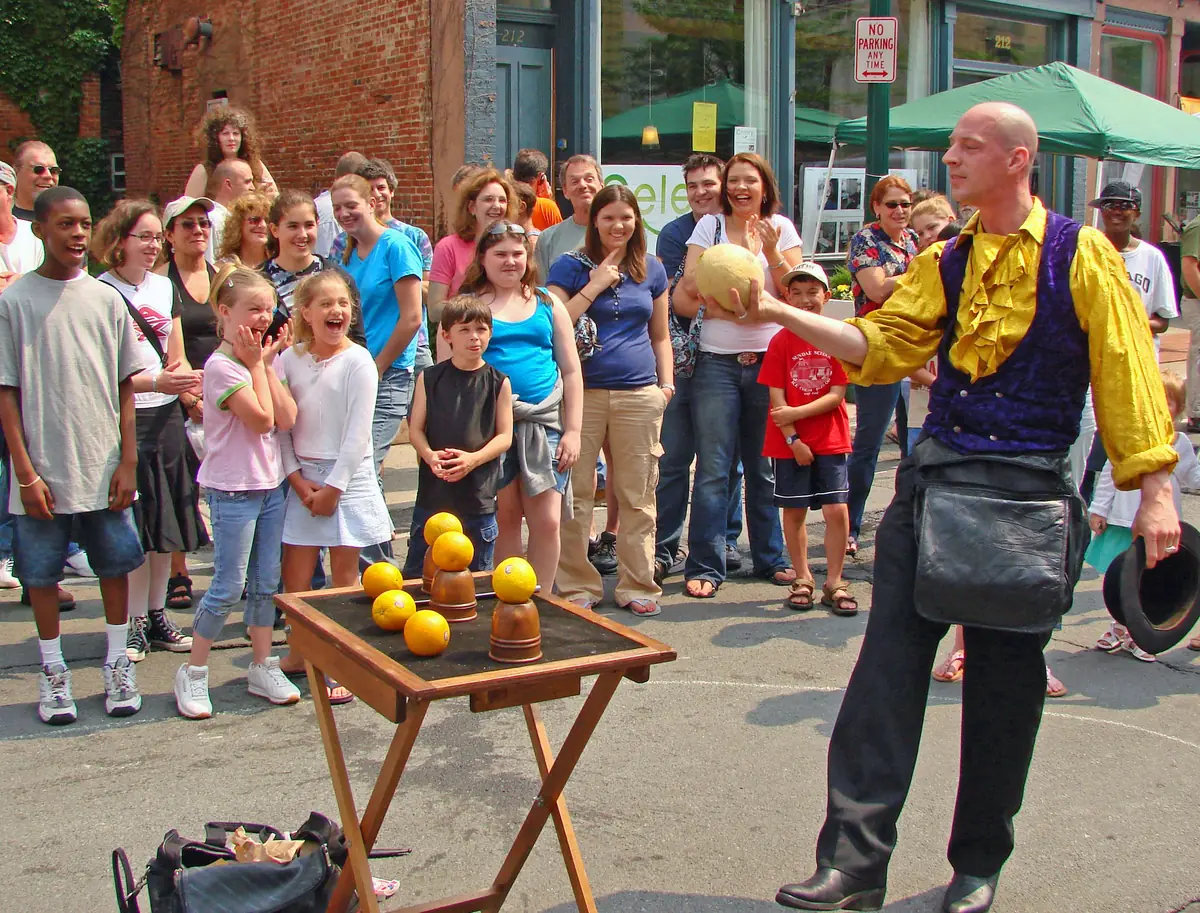
Close-up magic is performed within about three metres of the audience, usually seated at a table, using everyday objects. Sleight of hand, also known as prestidigitation or legerdemain, is the set of fine finger skills behind many of those tricks. Wikipedia says sleight of hand relies on psychology, timing, misdirection and natural choreography as well as dexterity, and that a well-performed sleight looks like an ordinary, innocent gesture. Wikipedia adds that a trick with three cups and balls has been performed since 3 BC and is still done on stage and in street shows today.
Stage illusions
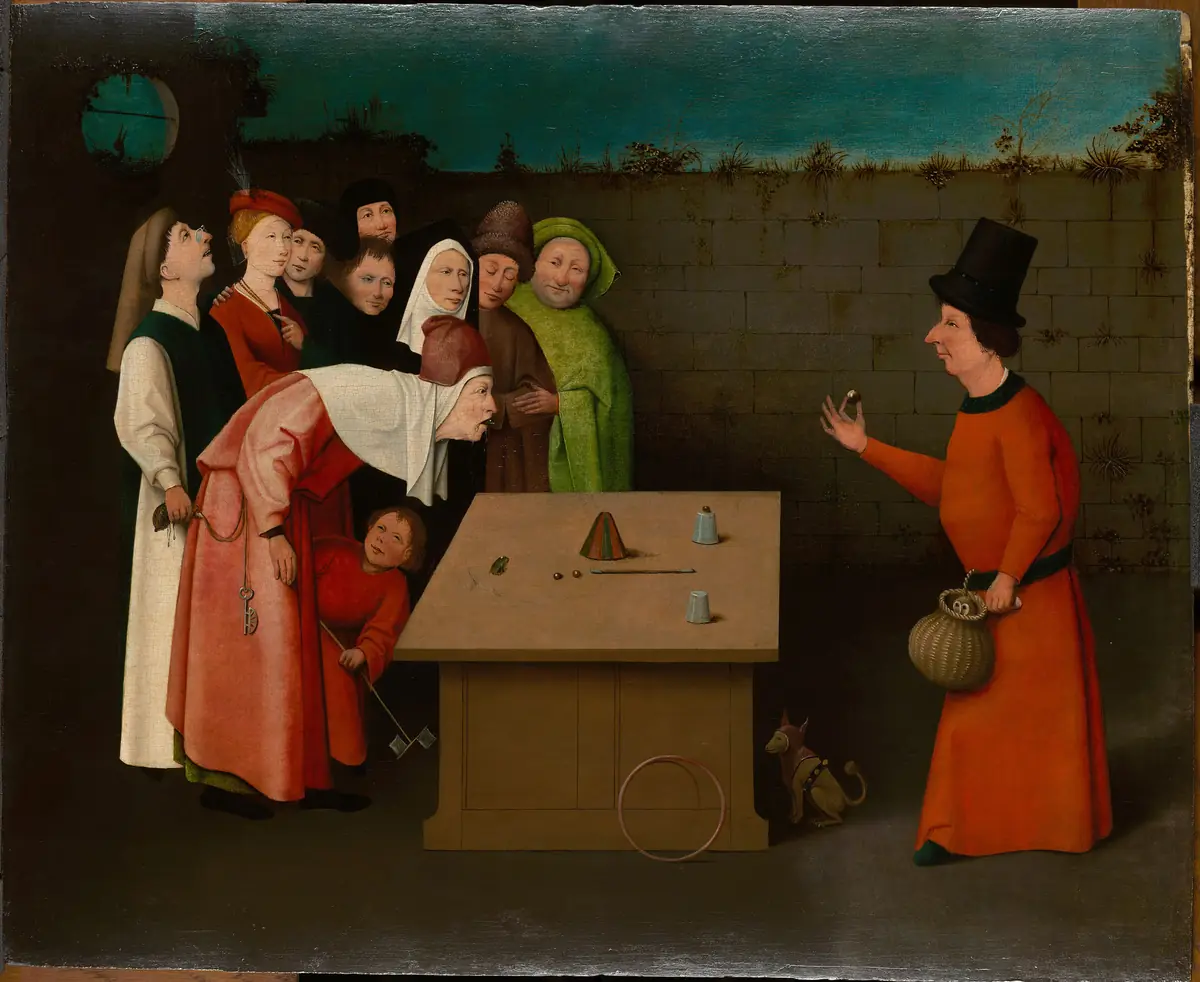
Stage illusions are performed for large audiences in a theatre or auditorium. Wikipedia says the type is distinguished by large-scale props, the use of assistants and, historically, exotic animals. Maskelyne and Cooke, who ran a long-standing show at the Egyptian Hall in London from 1873, invented many illusions still performed today, one of the best known being levitation. Most of these effects need a stage because the audience must see them from a set direction, which is why a theatre show can do things a table cannot.
A ghost made with glass
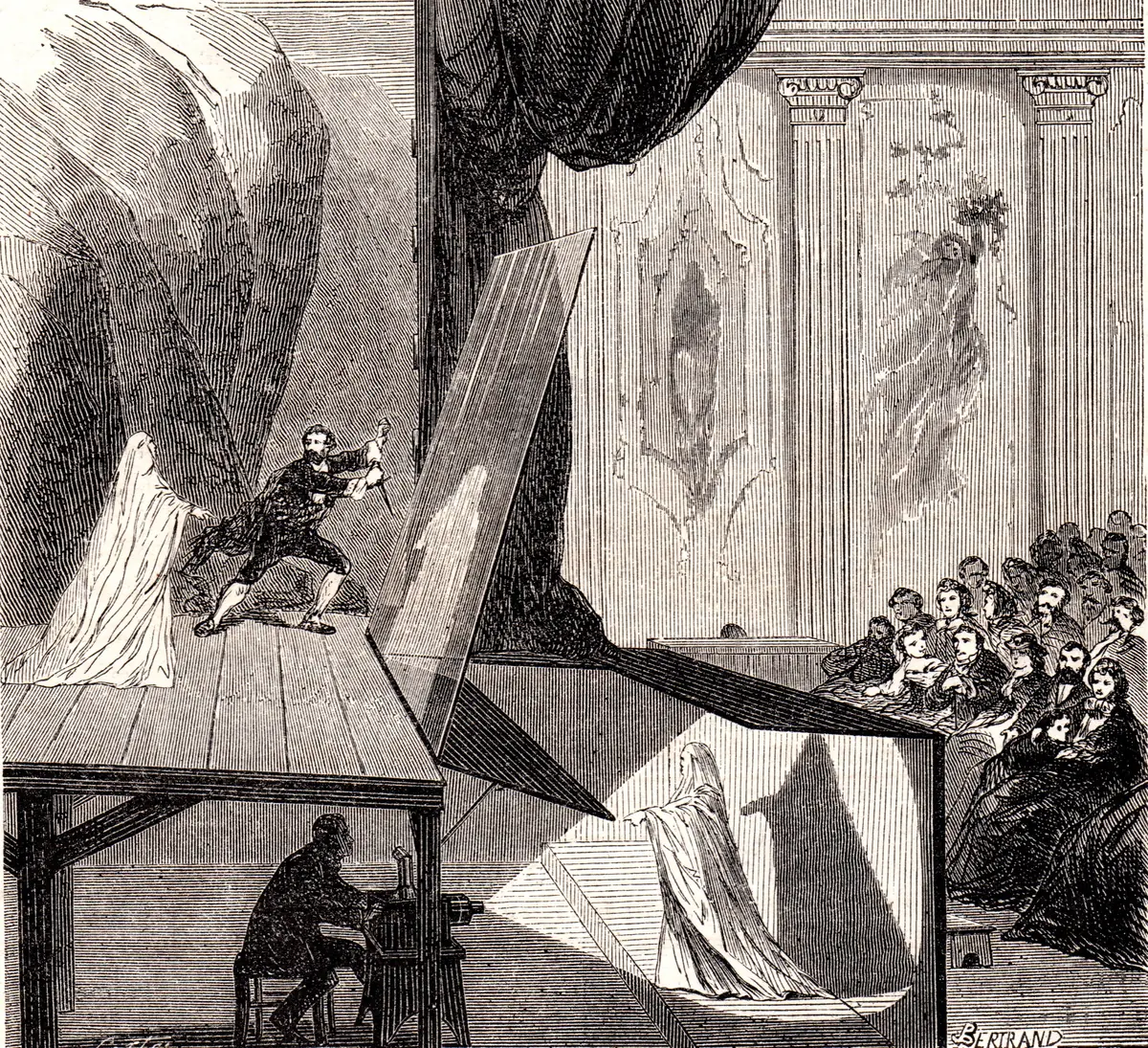
One of the most famous stage effects is Pepper's ghost. Wikipedia says the technique is named after the English scientist John Henry Pepper, who popularised it in an 1862 Christmas Eve theatrical production in London, and that it works by projecting an image of an object offstage so that it appears to be in front of the audience. It required a specially built theatre, which is why Wikipedia uses it as an example of how some stage magic depends on the building. Many of the principles of stage magic, the same article notes, are very old.
Escapology
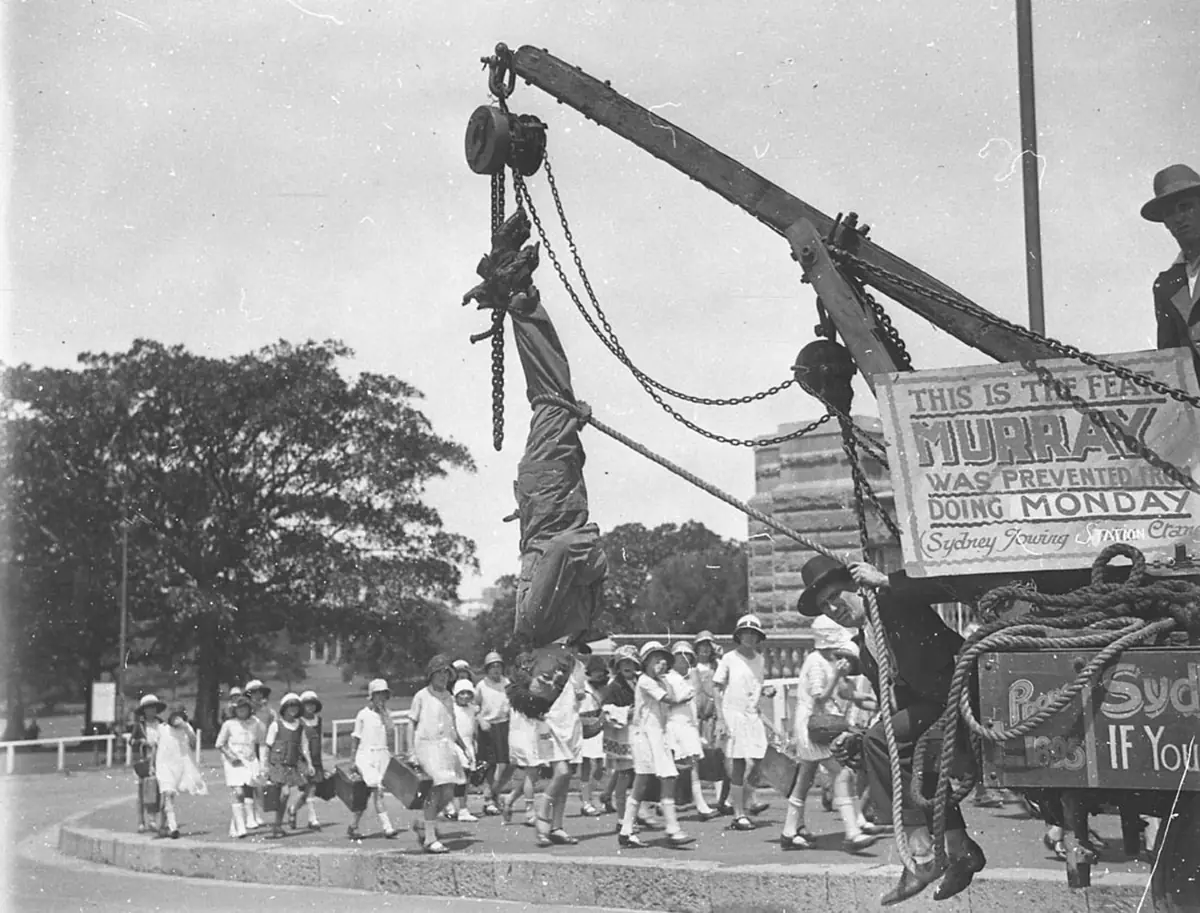
Escapology is the branch of magic that deals with escapes from confinement or restraints. Wikipedia says the figure most responsible for making it a recognised entertainment was Harry Houdini, whose repertoire helped define the basics: escapes from handcuffs, padlocks, straitjackets, mail bags, beer barrels and prison cells. It also notes that Houdini was genuinely skilled in techniques such as lock-picking and escaping straitjackets, and that he made full use of conjuring techniques as well. For a viewer, the pleasure is in the tension and the clock, not in solving it.
Why it works in a theatre by a port
Magic moved from fairs to theatres in the 19th century, as Wikipedia traces it, and stayed there. The Salou show keeps both halves of that history. Close-up magic comes before the main show, and grand illusions, sleight of hand and escapology make up the programme. You do not need to follow any trick to enjoy the evening, and nothing here tells you what any particular trick is.
Who this isn't for
Nobody should read this guide hoping to learn how tricks are done. Magicians guard their methods closely, according to Wikipedia, and a general guide has no business spoiling them. It is also not a promise of any particular effect on any particular night: programmes change, and the Salou show's booking lists the ingredients only.
Frequently asked questions
What is close-up magic?
Magic performed within a few metres of the audience, often at a table, using everyday objects such as cards and coins.
What is sleight of hand?
The fine finger skills behind many card and coin tricks, also called prestidigitation. It depends on timing, psychology and misdirection.
What is escapology?
The branch of magic that deals with escapes from confinement or restraints. Harry Houdini made it a recognised entertainment.
Do I need to know anything about magic to enjoy a show?
No. A magic show is built for people who know nothing about it.
Sources